

Frequently Asked Questions

What does OZOSL do?

What does OZOSL do it for?
What is precision prevention?
General Prevention vs. Precision Prevention?
What is green microbial control?
Green antimicrobial control vs. conventional disinfection?
What is the disinfection efficiency of hydrolyzed O3?
Why should you use the OZOSL stomach-protecting cup?
What harm does Helicobacter pylori pose to the human body?
Why use the OZOSL oral care cup?
What are the harmful effects of Porphyromonas gingivalis in the oral cavity?
What harm does Streptococcus mutans cause to teeth?
Why should you use the OZOSL disinfection and water purification system?
What is the difference between a standard reverse osmosis water purifier and a reverse osmosis water purifier with disinfection?
What are the health hazards of microcystins (MC) to humans?
Why should you use the OZOSL disinfection and water‑filling machine?
What’s the difference between an Ousai disinfection and water‑purification bottling machine and a public drinking fountain?
Why should you use the OZOSL Sanjing machine?
What is the difference between the OZOSL Sanjing Water Purifier and the OZOSL Reverse Osmosis Disinfection Water Purifier?
All of our hydrolytic ozone products have obtained hygiene approval from the Chinese Health Commission (PHHC), comply with the requirements of the “Hygiene and Safety Evaluation Specifications for Drinking Water, Disinfectants, and Disinfection Equipment” (Trial), and have been officially designated as hydrolytic odor‑removal disinfectors.
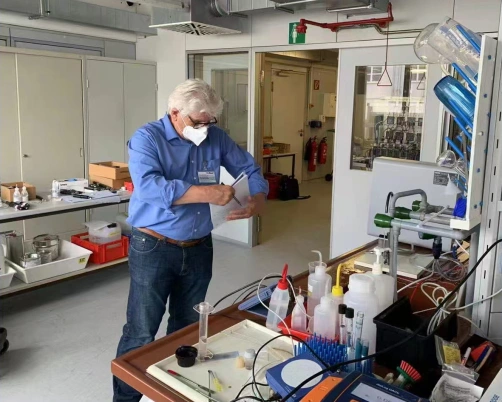
Why use hydrolytic ozone disinfection?
In accordance with the German and EU Water Framework Directives, as well as Germany’s TrinkwV drinking water regulation, the permissible limits for bromate and nitrogen oxides (NOx) have been significantly tightened. Ozone generated from air sources has long been banned in the European food and healthcare sectors due to NOx concerns. As a disinfectant for drinking water, hydrolytic ozone offers distinct advantages over conventional chemical disinfectants, including greater environmental friendliness, higher efficacy, enhanced safety, and the absence of residual contaminants.
While effectively disinfecting and sterilizing, it rapidly decomposes into oxygen (O₂), leaving no harmful residues. This fully aligns with the EU’s policy orientation toward zero chemical residues.

Business Cooperation
Dealer Application
Apply to distribute OZOSL in Mainland China
Partner Application
Project Consultation
Product Development Consulting
Custom hydrolytic O₃ modules built to spec >
Project Collaboration
Dealer network
Distributors (incl. HK, Macao, Taiwan)
OZOSL Dealer Information Inquiry
Global Partners
© 2026 OZOSL · This site is operated at ozosl.co